 Anjan Upreti
Digital Marketing for Resorts and Hotels in Chitwan: Selling the Park Stay Honestly
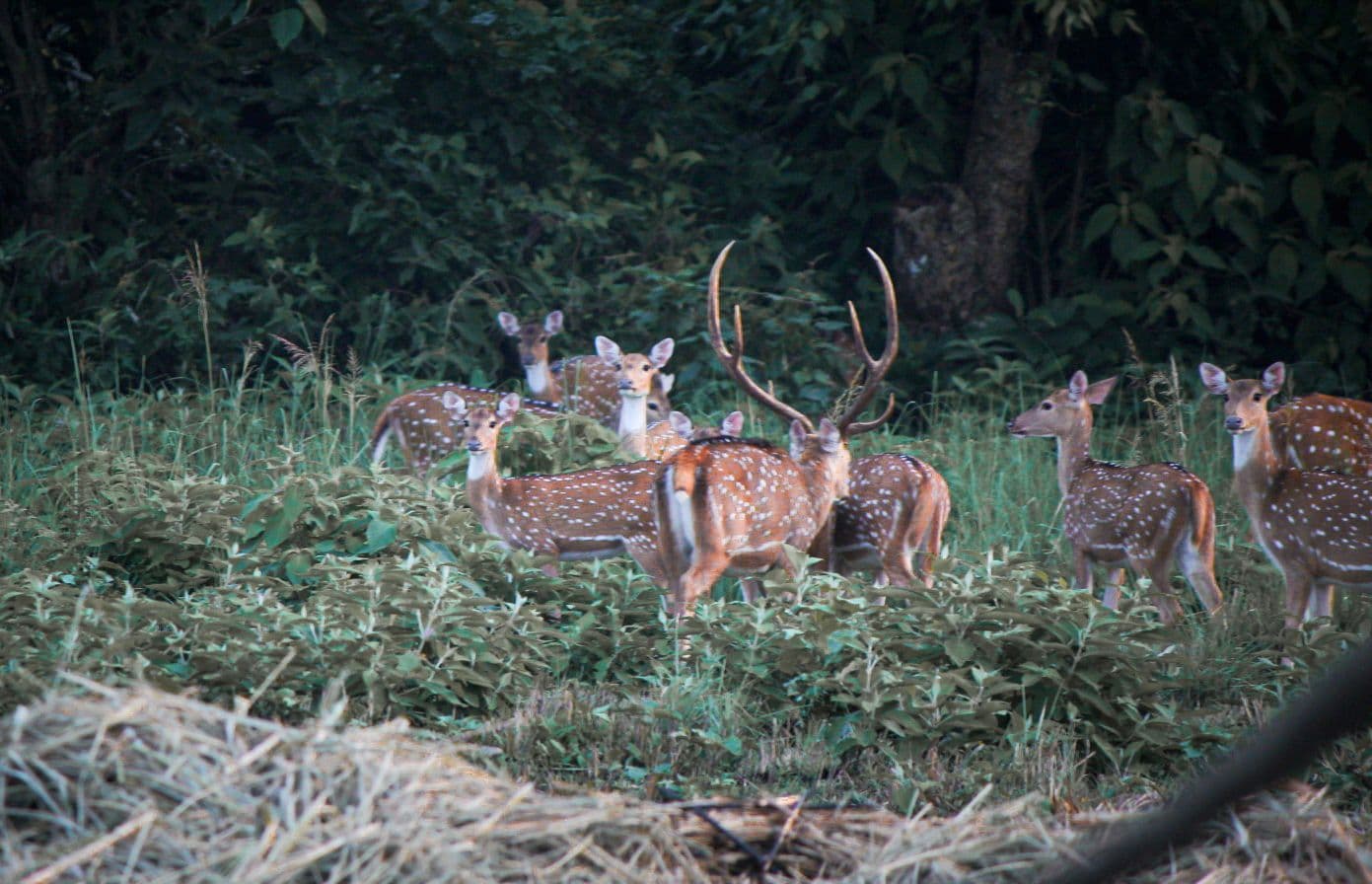
TL;DR: A Chitwan resort sells a place before it sells a room: a national park that is a UNESCO World Heritage Site, wildlife guests hope to see and a Tharu cultural setting. That makes honesty the main marketing skill. Publish clear package pages that say exactly what is included and what is charged separately (the park charges entry per person per day), never guarantee a sighting, give real access details, and make it easy for operators, families and groups to enquire. Start with a complete Google profile, a fast website with package pages and a booking path that can handle add-ons, and a review routine that tracks guides and transfers as well as rooms.
Question | Short answer |
|---|---|
What makes Chitwan different? | The stay is built around the park, the activities and the transfers, not only the room |
What must a package page say? | What is included, what is not, who guides, park fees and cancellation if weather or access interferes |
Can I promise a tiger or rhino sighting? | No. Wildlife is wild, and a promise invites bad reviews |
Which guests are most likely to book direct? | Operators, groups, families and repeat guests, who value a named contact |
Is the word "resort" right for my property? | Use it if the property operates like one. See the Google category guide |
Facts that shape the marketing
Fact | Detail | Source |
|---|---|---|
Status | Nepal's first national park (1973), UNESCO World Heritage Site since 1984 | UNESCO and the Department of National Parks and Wildlife Conservation (DNPWC) |
Size | About 932 square kilometres | DNPWC brochure |
Wildlife | Home to one of the last populations of the one-horned rhinoceros and one of the last refuges of the Bengal tiger. The park holds the second largest rhino population in the world | UNESCO and DNPWC |
Rhinos in numbers | 694 of the country's 752 one-horned rhinos are in the park, which is about 92 percent | National rhino census, reported by the Kathmandu Post (2022) |
Birds | 546 species recorded | DNPWC brochure (2019) |
Distance | About 146 kilometres from Kathmandu | Kathmandu Post (2022) |
Park visitor centre | At Sauraha | DNPWC brochure |
Entry fees | Charged per person per day. The 2019 brochure listed NPR 2,000 for foreigners, NPR 1,000 for SAARC nationals and NPR 150 for Nepalis. Later guides give different SAARC figures | DNPWC brochure and secondary guides |
Activities | Jeep safari, canoeing, guided jungle walks, Tharu culture and wildlife breeding projects are listed by the park | DNPWC and park information |
Check current entry fees and rules with the park office before you publish any figure. The brochure is from 2019, and fees and activity rules change. State the date next to any figure on your site.
Who your guests are
Chitwan draws international wildlife visitors, Indian and domestic families and groups, tour operators and specialist birdwatchers or photographers. We found no reliable breakdown of Chitwan's guest mix, so use your own records. The Kathmandu Post reported in 2022 that the park was making strides in attracting domestic tourists, and in April 2026 that hotels in Pokhara, Chitwan and Lumbini saw sharp cancellations from Western travellers during regional tensions, with Indian and domestic tourists keeping the sector afloat. The lesson is not a market split. It is that a Chitwan property should not rely on one source market.
Guest type | What they need to know before booking |
|---|---|
International first-time visitors | What a day looks like, what is included, how to arrive, what to expect from wildlife |
Families and groups (domestic and Indian) | Group rates, meals, safety, language, transfer options |
Tour operators | Net rates, terms, availability, a named contact |
Specialist visitors (birdwatchers, photographers) | Guide expertise, timing, hide or tower access, early starts |
Weekend and short-break guests | Distance, transfer time, a compact package |
[EXPERTISE GAP: Which activities do guests ask about first when they enquire, and which activities do you refuse to offer, and why? The things you decline to do are part of your brand, and guests who share your values will find you through them.]
Honest wildlife claims
Wildlife is the product and the risk. The simplest rule is the most effective one: describe what guests may see, what usually happens and what is not guaranteed. Do not promise a tiger or rhino sighting. One travel guide lists the Bengal tiger as rare to see, and the DNPWC describes the park's tiger population as one of the last refuges for the species, not as something visible on demand. Write "our guides know the park's habitats and tracks, and sightings depend on the day" rather than "see a tiger". Use real photographs, label stock images and avoid captions that imply a sighting during the stay.
Whether you offer elephant rides or other animal-based activities is a brand and welfare decision and a legal one under park rules. State plainly what you offer, follow current park rules and avoid language you cannot back up.
What your package page must say
Package pages carry most of a resort's sales. A guest should be able to compare yours with another's in a minute.
Item | What to state |
|---|---|
Duration and rate | Nights, season dates, price per person or per room, taxes |
Included | Meals, transfers, guide, activities, cultural programme |
Not included | Park entry (charged per person per day), drinks, personal expenses |
Park fees | The current fee and date, and who pays it |
Activity detail | What the activity is, how long, group size, guide, safety briefing |
Timing | Early starts and typical day plan |
Access | How to reach you, tested drive times and what a transfer includes |
Weather and access disruption | What happens if rain, flooding or a road problem changes the plan |
Cancellation | Clear terms and a named contact |
Accessibility and food | Whether the programme suits children, older guests and dietary needs |
The park charges its fee per day, not per activity, so a well-designed package can group same-day activities, and your page should say so clearly. The booking path has to support extras and packages, as covered in booking engines for resorts and in website development for hotels and resorts.
Your Google profile
Step | Why it matters |
|---|---|
Choose the category your operation fits, such as Resort hotel or Hotel | Google decides lodging type from how you operate, not your name. See which Google category to use |
Keep the name exactly as on your signage | Google asks for the real-world name and not extra keywords |
Write a description guests can use | Location, setting, rooms, main activities, how to get there, in up to 750 characters |
Add real photos | Grounds, rooms, dining, the approach, with honest captions |
Consider separate profiles for a public restaurant or spa | Google's hotel playbook allows profiles for entities inside a hotel |
Reply to every review and question | Replies are visible to future guests |
Full local search tactics are in local SEO for hotels and resorts and the city-neutral local SEO in Chitwan. If you are adding free booking links, see Google hotel booking links.
Your website
A Chitwan resort site needs a different page set from a city hotel's, as set out in website development for hotels and resorts. The core pages are rooms or villas, packages, activities and the park, dining, getting here, weddings or group stays, seasons and FAQs.
Page | Chitwan-specific content |
|---|---|
Home | The setting, one clear package, a booking button and honest review highlights |
Packages | One page per package, as above |
The park and activities | What the park is, activity descriptions, safety, fees and rules, dated |
Getting here | Routes, tested drive times, transfer options and arrival times |
Seasons | What the park and property are like in each season |
Groups and operators | Capacity, net rate request form, a named contact |
Responsible travel | Your wildlife, waste and community practices, stated plainly |
FAQ | Entry fees, guides, children, what to pack, what happens if it rains |
Speed matters because these pages carry heavy photography and sometimes video. See technical SEO for hotels and resorts. For aerial images, you will need park permission before any flight, as described in drone photography for hotels and resorts. Add the languages your guests use, not all of them, as discussed in multilingual websites for hotels and resorts.
Direct bookings for a jungle resort
Resorts have an advantage here because bookings are high in value and many guests are groups or repeat visitors. Use the illustrative resort booking from our OTA guide: three nights at NPR 12,000 a night is NPR 36,000, which carries NPR 5,400 of commission at 15 percent. These figures are assumptions. Fifty bookings moved to direct would save NPR 270,000. The levers that suit Chitwan:
- Operator and agent contracts. Publish clear net-rate terms and respond the same day.
- Package pages as the direct-only offer. Offer a bundle on your own site rather than a discount.
- Group and school enquiries. A form and a named contact beat a generic inbox.
- Repeat and referral guests. Ask for consent to stay in touch, as explained in how to get more direct bookings.
- A booking engine that handles packages and add-ons, tested with a three-night stay with a transfer and an activity.
Read your OTA contracts first, including whether commission applies to packages and extras. The commission maths is in OTA vs direct booking.
Reviews at a jungle resort
Guests review the whole experience. Sort reviews by department each month: rooms, food, transfers, guides and activities, safety and the setting. Transfers and guides are where many jungle properties win or lose. Ask for reviews at checkout and by consented message afterwards, never in exchange for a perk, and reply to each review specifically. Do not explain away a missed sighting. Acknowledge the guest's feeling and describe what the guides did. The rules and routine are in reviews and reputation for hotels and resorts.
Seasons and disruptions
Travel guides describe Chitwan's main season as roughly October to March, with some extending from September to May, and describe the hot, humid months and the monsoon as quieter. These are secondary sources, so check your own booking history. Plan the calendar with seasonality and demand for hotels and resorts. Resorts are exposed to access disruptions such as flooding, road problems and park closures, so keep a short, honest statement and an access page ready. The April 2026 cancellations show how quickly one market can pull back, so keep more than one source market warm.
Costs
Cost item | One-time or recurring | Fixed or variable | Typical | Basis |
|---|---|---|---|---|
Resort-scale website | One-time | Fixed list prices | NPR 139,999 (WordPress Advanced) or 159,999 (Custom Premium) | AlpineRoot pricing page, checked 14 November 2026 |
Running costs | Recurring | Partly USD-priced | Modelled at about NPR 110,000 to 124,000 a year at resort scale | Cost guide assumptions |
SEO retainer | Monthly | Fixed list price | From NPR 19,999 a month, with Professional at NPR 34,999 | AlpineRoot pricing page, see SEO cost for hotels and resorts |
Photography and video | One-time, refresh | Variable | Quote needed | None found |
Booking engine | Recurring | Often USD-priced | Vendor pages | |
Park fees for any filming or drone work | Per permit | Variable | Ask the park office | DNPWC |
Prices move: USD-priced items follow the exchange rate (a 5 percent move is about NPR 7.60 per USD), VAT rules change and the pricing page does not say whether project prices include 13 percent VAT, so confirm in your quote. For how these lines fit a whole-year budget, see digital marketing cost for hotels and resorts.
Hotels and resorts in Chitwan: what differs
Area | Town hotel or guesthouse near the park | Jungle resort |
|---|---|---|
What guests buy | A room and a base for park visits | A full stay with meals, activities and transfers |
Main page type | Rooms, location, how to book park activities | Packages, activities and the setting |
Group business | Occasional | Common, including weddings and retreats |
Photography | Rooms and exterior | Grounds, wildlife-adjacent settings and activities |
Disruption risk | Road and weather | Road, weather and access to the property |
A guesthouse close to the park may sell mainly rooms and help guests arrange activities, which is a lighter marketing job. A resort selling a full programme needs the package and access content above.
Mistakes to avoid
Mistake | Why it hurts | Fix |
|---|---|---|
Promising sightings | Bad reviews and refund claims | Describe the likelihood honestly |
Publishing park fees without a date | Fees change | State the date and check yearly |
No package inclusions list | Disputes at checkout | Itemise included and excluded |
Stock photos of wildlife implied as seen at the property | Misleading | Label images truthfully |
Booking engine that cannot sell add-ons | Manual work and errors | Test with a real package |
One source market only | Exposed to shocks | Keep several warm |
Flying a drone without park permission | Legal risk | Follow the drone guide |
Ignoring transfers in reviews | Misses a key cause of complaints | Track transfers as a department |
Decision framework
- If you sell packages, build one clear page per package before anything else.
- If guests ask the same questions every week, answer them in your FAQ and getting-here pages.
- If you depend on one source market, build contacts and content for a second.
- If you want aerial images, plan for park permission and early lead time.
- If your property is a guesthouse near the park, lean on rooms, location and a good activity guide.
- If your booking engine cannot sell packages, change the engine before you change the website.
How AlpineRoot approaches Chitwan properties
AlpineRoot builds the website, Google profile, technical set-up and review routines for resorts and hotels, and scopes package pages, booking-engine connections and languages in discovery. It does not run park activities, handle permits or promise sightings or bookings. See the hotels industry page, local SEO services, travel agency SEO for operators who sell your packages, website development, pricing and the portfolio. Our portfolio includes a travel and tours website, which shows how enquiry forms and content management are handled for a tourism business.
[EXPERTISE GAP: How do your guests arrive (private car, tourist bus, flight to a nearby airport), and what do they find hardest about the last stretch? That detail belongs on your getting-here page, in your words.]
Frequently asked questions
Do I need park permission to market the resort?
No, marketing your resort does not need it. Park permission matters for activities inside the park and for filming or drone work. Check the rules for any guided activity you sell, and keep guides licensed.
Should I put the park entry fee in my package price?
Either way can work if it is clear. Many packages say whether the fee is included, since it is charged per person per day. State the amount and date, and update it when the park changes it.
Can I use photos of tigers and rhinos on my website?
Only if the images are truthful and licensed. Label stock or park images as such and do not imply they were taken at your property or that guests will see the same animals. Honest captions protect your reviews.
How many days should a Chitwan package be?
Use what your guests actually book. Many guests combine Chitwan with Kathmandu and Pokhara, so short packages suit stopovers and longer ones suit wildlife-focused visitors. Check your own booking lengths before designing.
Is Hindi important for a Chitwan resort?
It depends on your guests. The Kathmandu Post reported Indian tourists as a major share of hotel occupancy elsewhere in 2026. Check your own enquiries and see multilingual websites for hotels and resorts.
What if the monsoon cancels an activity?
Say in advance what happens: a substitute, a credit or a refund. Clear terms prevent disputes. Keep a note of weather-related changes and share them honestly with guests.
How do I handle a guest who did not see any wildlife?
Reply with empathy and specifics, describe what guides did and what the guest did see, and avoid excuses. Do not offer a perk for removing a review, which breaks platform rules.
Should I work with tour operators?
Often yes, since they bring groups and international guests. Offer clear net rates and terms, track which bookings come from them and keep a direct route for repeat guests. Read your contracts before offering different rates.
Do I need a separate Google profile for the restaurant?
Only if it operates as a separate public business with its own details. Google's hotel playbook allows profiles for entities inside a hotel, such as a bar or spa. A small dining room for guests does not need one.
Can small guesthouses near the park compete with resorts online?
Yes, by being clear and useful. A guesthouse can win on honest location information, activity help and replies. It should not copy a resort's package language if it cannot deliver the same service.
What is the best time to refresh photos?
Before the main season, such as late August or September, and after any renovation. Photograph the property in the season guests will see, and update park fees and activity information at the same time.
How do I know if marketing is working?
Track enquiries and bookings by source, the share of direct bookings, reviews by department and calls from the Google profile, comparing the same season year on year. Use a "how did you find us?" question at booking.
Next steps
To plan package pages, a Google profile and a booking path for your Chitwan property, contact AlpineRoot. For the wider picture, read the pillar guide.
Explore the series
Start here
- Digital Marketing for Hotels and Resorts in Nepal
- Seasonality and Demand for Hotels and Resorts
- Digital Marketing Cost for Hotels and Resorts
Website and booking
- Website Development for Hotels and Resorts in Nepal
- Hotel and Resort Website Cost in Nepal
- OTA vs Direct Booking for Hotels and Resorts in Nepal
- WordPress vs Custom Website for Hotels in Nepal
- Which Booking Engine for Hotels in Nepal
- How to Get More Direct Bookings for Hotels
- Google Free Booking Links for Hotels and Resorts
- Multilingual Websites for Hotels and Resorts in Nepal
- Drone Photography for Hotels and Resorts in Nepal
Search and visibility
- Local SEO for Hotels and Resorts in Nepal
- Reviews and Reputation for Hotels and Resorts in Nepal
- Hotel or Resort: Which Google Category
- SEO Cost for Hotels and Resorts in Nepal
- Technical SEO for Hotels and Resorts in Nepal
Where to start by place
Fundamentals
- Local SEO in Pokhara
- Local SEO in Kathmandu
- What Is Local SEO?
- SEO Pricing in Nepal
- Website Development Cost in Nepal
About AlpineRoot
Related reading
- Digital Marketing for Hotels and Resorts in Nepal
- Local SEO in Chitwan
- Local SEO for Hotels and Resorts in Nepal
- Local SEO for Trekking Companies in Nepal
- Benefits of Local SEO in Nepal
- What Is Local SEO?
- Local SEO Mistakes to Avoid in Nepal
- Why SEO Is Important for Business
Sources and methodology
- UNESCO World Heritage Centre, Chitwan National Park (whc.unesco.org/en/list/284), for inscription and the description of its wildlife
- Department of National Parks and Wildlife Conservation, "Chitwan brochure 2019" (dnpwc.gov.np), for size, birds, entry fees, the visitor centre and activities
- The Kathmandu Post, "Chitwan National Park making strides in attracting domestic tourists" (27 September 2022), for the rhino census figures and distance from Kathmandu
- The Kathmandu Post, 22 April 2026, "West Asia tensions hit Nepal's tourism hard as bookings tumble", via the Asia News Network, for cancellations and the role of Indian and domestic tourists
- Magical Nepal and other travel guides (2026) for the season range and wildlife visibility notes: secondary
- Google hotel Business Profile playbook (2026) and Google's Business Profile guidelines, for separate profiles and the name rule
- AlpineRoot pricing page, checked 14 November 2026, and the AlpineRoot OTA vs direct booking model for the illustrative resort booking
Evidence quality (claim ledger of 22 factual claims): 8 come from UNESCO, the park authority or Google; 6 from news reports (the Kathmandu Post); 5 from secondary travel guides; 3 from AlpineRoot's own published prices and our illustrative arithmetic. The 2019 park brochure is more than three years old, so entry fees are flagged for checking. We found no Chitwan-specific guest-mix data, no count of resorts, no price data for photography and no data on how package pages change bookings, and did not invent any.
Ready to build something great?
We partner with ambitious businesses to create websites that convert. Let's talk about your project.
Related Articles

Why SEO Beats Paid Ads in the Long Run for Trekking and Tour Companies in Nepal
Digital Marketing for Trekking and Tour Companies in Nepal (2026 Guide)